CU101 – What’s A Good Credit Score?
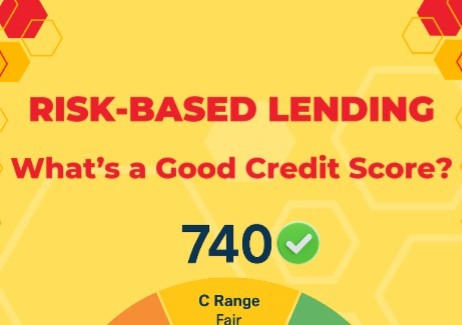

CU101 – What’s A Good Credit Score?

Understanding Your Credit Score: What It Means and Why It Matters

Your credit score plays a major role in determining the financial opportunities available to you, especially when applying for loans. At The Light & Power Employees Co-operative Credit Union Ltd. (LPECCUL), we use your credit score to understand your lending history, assess risk, and guide you toward the best financial solutions.

But what do these numbers really mean? Below, we simplify the five credit score ranges used by the Caribbean Credit Bureau and explain how each one affects your borrowing experience.


What Is a Credit Score?

A credit score is a numerical rating that reflects how well you manage your financial obligations, including loans, credit cards, and other debts. Scores range from 900 to 250, with higher scores indicating stronger financial behaviour. LPECCUL uses credit scores, along with other factors, to ensure responsible lending and help members achieve long-term financial wellness.


The Five Credit Score Levels Explained

πŸ”΅ A Range: 900 to 725 β€” Excellent

Members in this range consistently pay their bills on time and maintain a strong financial history. Approvals tend to move smoothly because your record shows reliability and low risk. Members with Excellent scores often qualify for better loan terms.


🟒 B Range: 724 to 676 β€” Good

This range represents members who generally manage their payments well, with occasional late payments. While still considered low risk, lenders may look for consistency, but applications usually proceed without difficulty.


🟑 C Range: 675 to 652 β€” Fair

A Fair score suggests payments may be late sometimes, but debts are still being managed. To help protect you from falling behind, LPECCUL may recommend salary deductions or other structured repayment methods. This range signals that the member is stable but could improve payment habits.


🟠 D Range: 651 to 574 β€” High Risk

Members in this range often experience challenges staying up to date on payments. Accounts may require follow-ups or reminders. Applications from this category may need additional verification, proof that past debts are settled, or collateral. Some approvals must be reviewed by internal committees.


πŸ”΄ E Range: 573 to 250 β€” Very High Risk

Scores in this range indicate serious repayment difficulties or unresolved debts. Applications may require extensive documentation, special committee review, or may not be approved. Members in this category are encouraged to work on rebuilding their credit before applying for major loans.


Why Your Score Matters

Your credit score influences:
The types of loans you qualify for
The interest rates offered
Your repayment options
The need for additional security or documentation
Improving even a single level on the scale can unlock better borrowing opportunities and reduce your long-term borrowing costs.

How to Improve Your Credit Score

Building or repairing your credit is possible with consistent effort. Here are simple steps to get started:
Pay all bills on time

Keep credit card usage low
Avoid taking on unnecessary new credit
Use salary deduction to ensure timely payments
Review your credit report yearly to correct any errors

Over time, these habits help strengthen your financial profile and create better borrowing opportunities with LPECCUL.
Reduce existing debt 


We’re Here to Help

At LPECCUL, our goal is to empower our members through financial education and smarter borrowing options. Understanding your credit score is the first step toward building a stronger financial future.

If you have questions about your score or want guidance on improving it, our team is always ready to assist.

πŸ“ž 1-246-431-1400
πŸ’¬ WhatsApp 1-246-262-7993
🌐 Visit us at www.lpeccul.com